
Private Party Auto Loan: Financing a Car From a Private Seller
How to arrange a loan when buying a used vehicle directly from an individual.
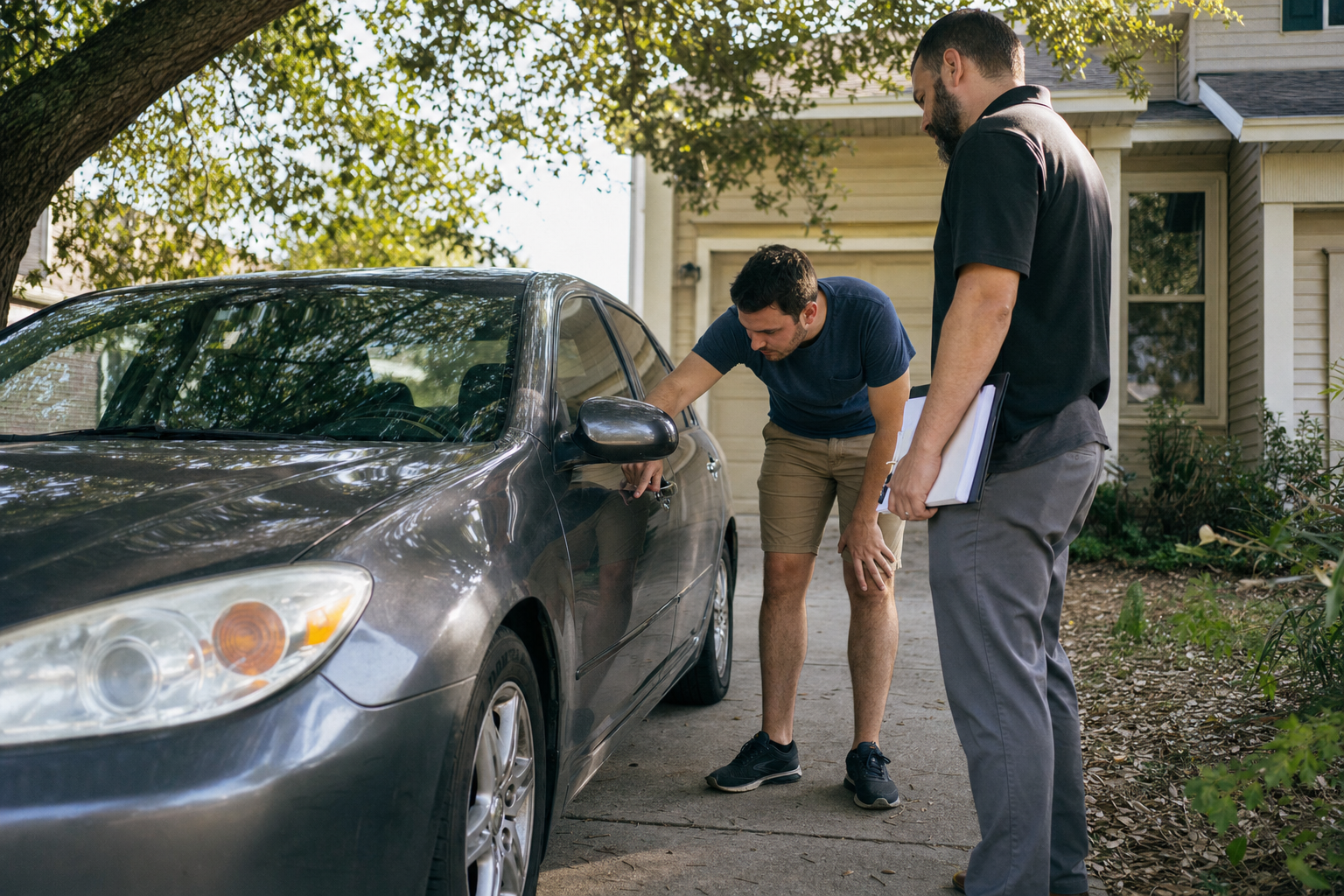
A private party auto loan finances a vehicle you buy directly from an individual rather than from a dealership.
Many lenders secure the loan with the vehicle as collateral and record a lien that is released when you repay the balance, though lien procedures depend on your lender and state law.
Not every lender offers this type of financing, and eligibility depends on the vehicle, the seller, and your credit and income profile.
Lender approval and vehicle eligibility control whether you can use a private party auto loan.
Before you agree to buy, confirm that your lender finances private sales and that the specific vehicle meets its underwriting criteria.
How a Private Party Auto Loan Works
When you apply for a private party auto loan, the lender evaluates your creditworthiness, income, and the vehicle you plan to purchase.
If approved, the lender disburses funds to the seller—either directly or through a check you deliver—and records itself as lienholder on the title.
You make monthly payments to the lender, and once the loan is paid off, the lien is released and you receive clear title to the vehicle.
Who Offers Private Party Auto Loans
Banks and credit unions are the most common sources, but individual institutions vary in the types of auto financing they provide.
Before you commit to a vehicle, check with your bank or credit union to confirm it finances private-party purchases and review its specific eligibility rules.
What Lenders Typically Require
Lenders may request the vehicle identification number, make, model, year, mileage, and purchase price.
You will also need to provide seller contact information and documentation showing the seller’s ownership and the vehicle’s title status.
On the buyer side, expect to submit proof of identity and authorization for a credit check; some lenders also ask for income and employment verification.
| Category | Common Information |
|---|---|
| Vehicle | VIN, year, make, model, mileage, purchase price |
| Seller | Name, contact, proof of ownership |
| Buyer | Identity, credit authorization; income and employment if required |
Steps to Arrange Financing Before You Buy
Start by contacting lenders to confirm they finance private-party sales and to understand their vehicle and borrower requirements.
Once you identify a vehicle, request a vehicle history report, verify the title is clear, and check for any existing liens or safety recalls.
Submit your loan application with all required documents, and wait for approval and funding instructions before you finalize the purchase or hand over payment.
Payment and Title Transfer
Funding methods vary by lender.
You and the seller must complete the title-transfer documents required by your state, and the lender will file the necessary paperwork to record its lien on the new title.
Coordinating lender funding and title paperwork in advance protects both buyer and seller and helps ensure that payment and title transfer occur simultaneously.
Review your lender’s specific private party auto loan requirements, confirm the vehicle qualifies, and follow your state’s title and registration process to complete the transaction correctly.
* Lender requirements, vehicle restrictions, and state procedures can change. Confirm current rules with your lender and your state motor-vehicle agency before you buy.