
Bundle home and auto insurance: how to check if it saves money
Compare total cost with equivalent coverage to see if a multiline discount is worth it.
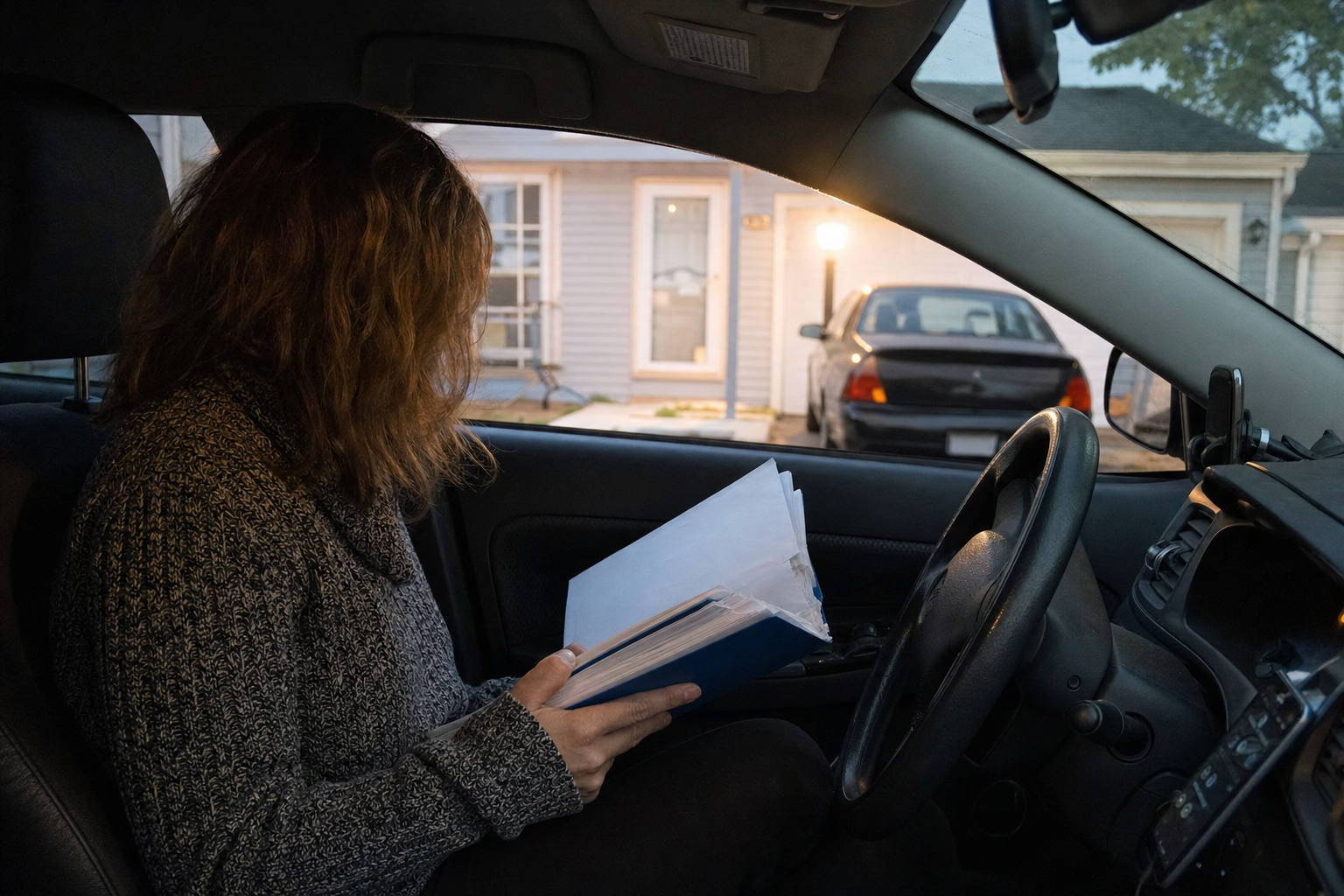
Bundling home and auto insurance means placing both policies with the same insurer.
Many insurers offer a multiline discount when you bundle auto and homeowners coverage, though eligibility and the size of the discount vary.
The discount percentage alone doesn’t tell the full story.
To check if bundling makes sense, request one bundled quote and separate quotes for each policy, then compare limits, deductibles, exclusions and service features on an apples-to-apples basis.
A larger discount on a higher base premium can still cost more than separate policies.
Compare the total annual premium of the bundle with the sum of the separate quotes offering the same coverage.
What bundling home and auto insurance means
When you bundle home and auto insurance, you place both policies with the same carrier.
The insurer may apply a multiline or multi-policy discount to one or both premiums.
Eligibility and the size of the discount vary by insurer, state, your personal characteristics and the property being insured.
There’s no universally best bundle because each household’s risk factors and coverage needs are different.
How to check if bundle home and auto insurance saves money
Start by requesting a written bundled quote from one insurer and separate quotes for home and auto from other carriers.
Compare the total annual premium of the bundle with the sum of the separate quotes.
Make sure the coverage is comparable: review the limits, deductibles and key terms of each policy to ensure you’re comparing policies that meet your coverage needs.
A cheaper quote isn’t a good deal if it reduces protection or creates coverage gaps.
Review the bundled insurer’s policies to understand how discounts and premiums are structured.
Check the insurer’s official documents to see what conditions apply to multiline discounts and whether changes to one policy affect the other.
When a bundle may not be the best choice
If your bundled quote is cheaper only because it has lower limits, higher deductibles or more exclusions, it’s not a true saving.
Drivers with specific risk profiles may find competitive rates from carriers that specialize in those situations—compare offerings tailored to your needs alongside bundle options.
Convenience is a valid reason to bundle if the administrative benefit is worth any price difference and the coverage remains suitable, but convenience should be weighed separately from price and protection.
Other factors to consider
Bundling may simplify billing and policy management by consolidating payments and renewal dates, though specifics vary by insurer.
Pricing, discounts and underwriting practices vary by insurer and state—review the carrier’s materials and state-specific information before making assumptions about how your policies will be priced or handled.
Reassess your quotes before renewal and after major life changes such as moving, marriage, adding a driver or changing vehicles.
Premiums and discounts can change, so the bundle that saved money before may not be the best option today.
Where to find official information
Your state insurance department can provide state-specific guidance on insurance regulation and consumer information.
The National Association of Insurance Commissioners provides consumer resources and a directory of state insurance departments.
Use the insurer’s official quote, policy and discount pages to verify current eligibility, coverage terms, discount conditions and policy details.
Bundling home and auto insurance can save money when the total cost of the bundle is lower than the sum of separate quotes with comparable coverage.
Compare carefully, check the details and verify the terms before deciding.
The right choice depends on your specific situation, so take the time to review all options.
* Premiums, discounts and eligibility vary by insurer and state and can change. Verify current information with your state insurance department and the insurer before making a decision.