
Gap insurance explained: when it is worth considering
Optional protection that may cover the shortfall between your car's value and your loan balance.
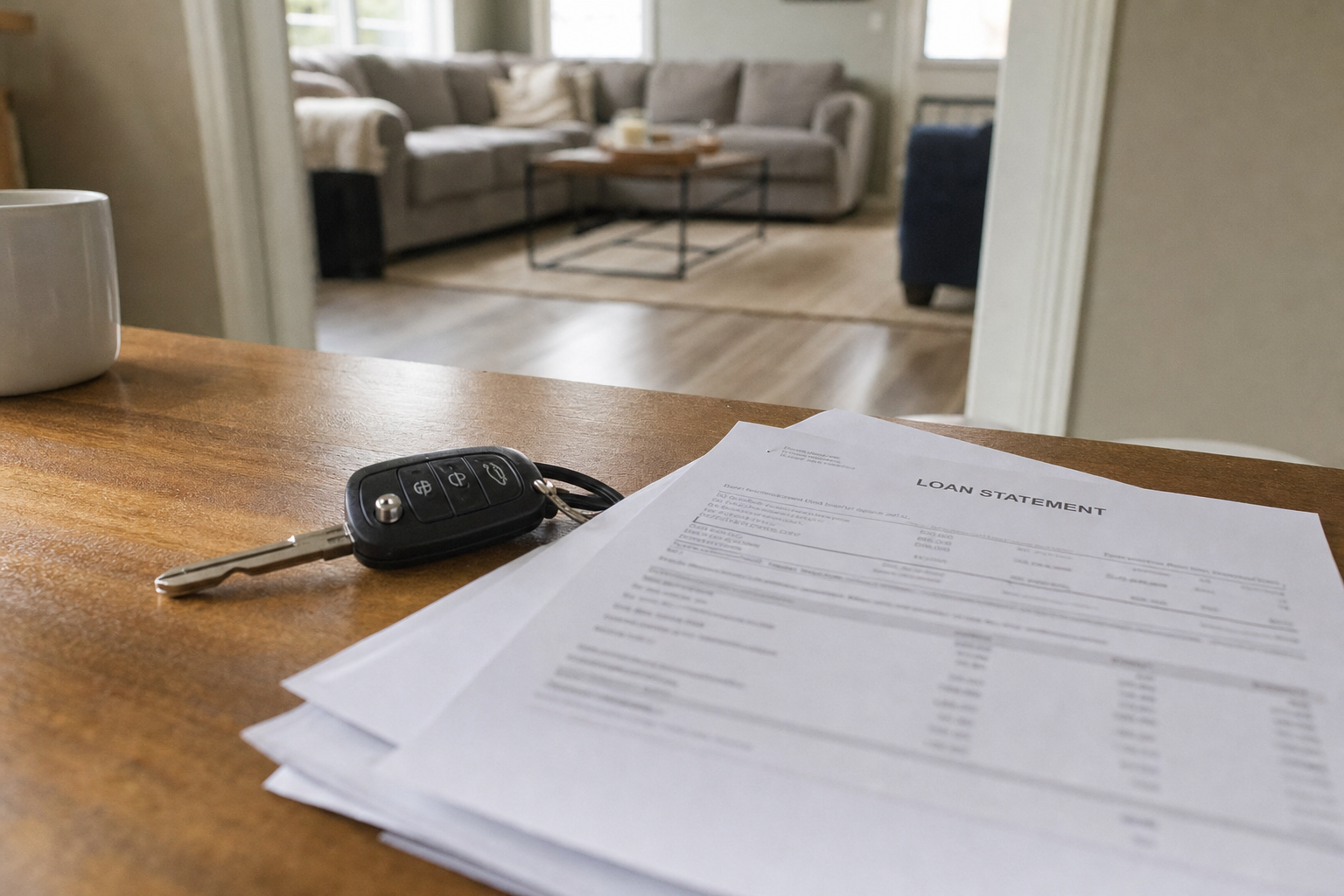
Gap insurance is optional coverage designed to address a specific financial risk: the difference between what your vehicle is worth and what you still owe on it.
When a financed or leased car is totaled or stolen, standard collision or comprehensive insurance generally pays the vehicle’s actual cash value at the time of loss, minus your deductible.
If that settlement is less than your remaining loan or lease balance, you may still owe money on a vehicle you no longer have.
Gap insurance is designed to cover that shortfall, subject to policy terms and limits.
Understanding when gap insurance makes sense—and what it does not do—can help you decide whether it belongs in your coverage plan.
What gap insurance covers
Gap insurance is also called Guaranteed Asset Protection.
It covers the shortfall between your vehicle’s actual cash value and the amount you still owe to your lender or lease company after a covered total loss.
A covered total loss typically means your car was declared a total loss by your insurer following a collision, comprehensive claim such as theft, or another event covered by your underlying policy.
Gap insurance is designed to cover the difference between your outstanding loan balance and the insurer’s settlement.
Many contracts may exclude items such as repairs, maintenance, your deductible, rental expenses, down payments, or other costs, but the specific exclusions depend entirely on the contract you purchase.
It is not a substitute for collision or comprehensive coverage.
Those policies establish the underlying settlement that gap insurance may then supplement.
The exact coverage, exclusions, and maximum benefit depend on the contract you purchase, so reading the terms before you buy is essential.
When gap insurance is worth considering
Gap insurance is most relevant when you owe more than your vehicle is worth.
A higher loan-to-value balance can increase the possibility of a gap between the vehicle’s value and what you owe.
You should verify your own lease agreement, as some lease contracts may include or require a form of gap protection.
Checking your lease agreement before purchasing separate coverage can help you avoid paying twice.
If you paid cash for your car, made a substantial down payment, or have built equity in your loan, the gap may be small or nonexistent, and the coverage may offer little value.
The table below compares situations where gap insurance is more or less likely to be worth considering.
| Higher-risk scenario | Lower-risk scenario |
|---|---|
| Small or no down payment | Large down payment or cash purchase |
| Long financing term | Short loan term or significant equity |
| Vehicle depreciates rapidly | Vehicle holds value well |
| Lease with no built-in gap protection | Lease contract already includes gap coverage |
Your lender or lease agreement may require gap insurance, so check your contract to understand your obligations.
How a gap insurance claim works
When your vehicle is totaled or stolen, your collision or comprehensive insurance determines the vehicle’s actual cash value at the time of loss.
The insurer subtracts your deductible and pays the remaining amount to you or your lender.
If that settlement is less than what you owe, gap insurance may cover the eligible difference, up to the policy’s maximum benefit and subject to any exclusions.
Not every dollar of your loan balance may be covered.
Contracts may exclude certain financed amounts, fees, penalties, missed payments, or other charges, subject to the specific terms of your policy.
The claim process and documentation requirements vary by provider, so understanding your specific policy before a loss occurs can prevent surprises.
Where to buy gap insurance
Gap insurance may be available from various sources, including auto insurers, lenders, and dealerships, though availability varies by provider and state.
Products sold through these channels can differ in coverage, exclusions, and how they handle deductibles or other costs.
Comparing the actual contract language—not just the product name—is important because „gap insurance“ from one source may not match another’s terms.
Some lease agreements may already include gap protection or a similar waiver.
Verify your own lease contract to determine whether you already have coverage before purchasing a separate policy.
If you are interested in gap insurance, ask early in the financing or leasing process to understand your options.
What gap insurance does not do
Gap insurance is designed to address the difference between your vehicle’s actual cash value and your outstanding loan balance.
Many contracts may exclude items such as mechanical repairs, regular maintenance, wear and tear, missed loan or lease payments, and down payments for a replacement vehicle, but exclusions vary by contract.
Contracts may also exclude coverage for amounts that were rolled into your current loan from a previous vehicle, as well as certain fees, penalties, and interest charges, depending on the specific policy.
Your policy deductible is typically not covered by gap insurance.
The gap calculation usually starts after your standard insurance has paid the actual cash value minus the deductible.
Because exclusions vary, reading your contract carefully and asking your provider specific questions about what is and is not covered can help you avoid misunderstandings.
State and contract variation
Gap coverage may be offered as an insurance product or as a contractual waiver or debt-forgiveness agreement, depending on state regulations and the provider.
Applicable terms and structures depend on your state and the specific contract you enter.
When gap insurance is required for your financing, federal rules may require disclosure in connection with your annual percentage rate, though the treatment of gap charges under applicable federal finance-charge rules depends on specific conditions.
Gap insurance is not required by federal law, but your lender or lease contract may require you to carry equivalent protection.
Check with your state insurance department or the provider to understand the rules and options that apply to you.
Deciding whether gap insurance fits your situation
Gap insurance is designed for a specific risk: owing more than your vehicle is worth after a total loss.
If your down payment was small, your loan term is long, or your vehicle depreciates quickly, the coverage may offer meaningful protection.
If you have substantial equity, paid cash, or your lease may already include gap protection, the added cost may not be justified.
Review your loan or lease agreement, compare contract terms from different providers, and consider your own financial situation before deciding.
Gap insurance is generally optional, but your lender or lessor may impose a contractual requirement, so check your contract and ask questions early.
* Coverage terms, availability, and requirements vary by state, provider, and contract. Confirm current details with your insurer, lender, or state insurance department. For federal financing disclosure rules, see the Consumer Financial Protection Bureau. For general consumer information, see the National Association of Insurance Commissioners.