
Trade In Car With Loan: How It Works and What to Know
You can trade in a financed vehicle before payoff—here's how equity affects the deal.
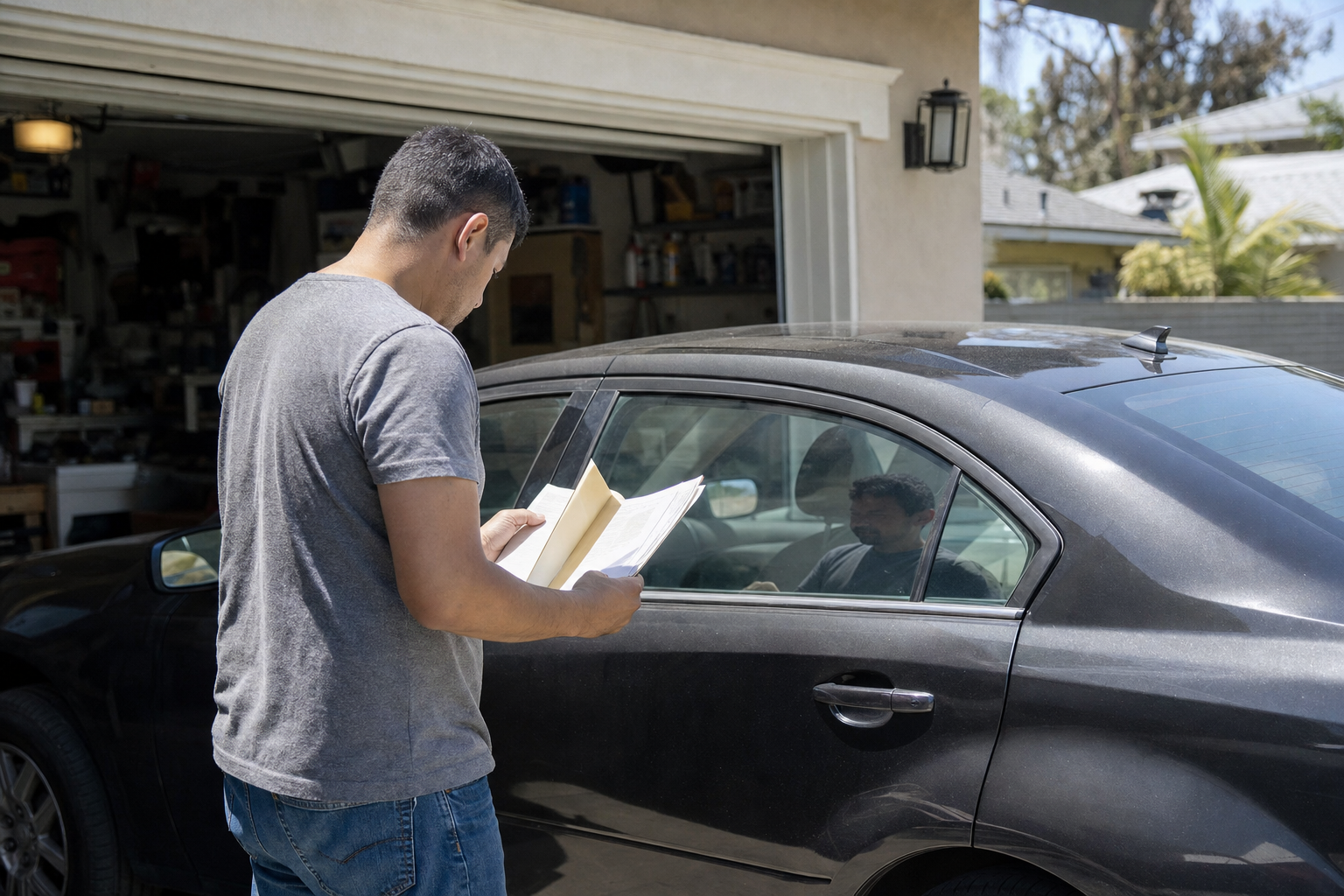
Many drivers wonder whether they can trade in a vehicle before the auto loan is fully paid off.
The short answer is that it may be possible, subject to your loan contract, your lender’s policies, the dealer’s procedures, and the rules in your state.
If permitted, the dealer may work with your existing lender to obtain the payoff amount, use the vehicle’s trade-in value to settle the lien, and apply any remaining equity toward your next purchase.
You should confirm directly with your lender that payment was received and the lien was released.
What matters most is whether you have positive or negative equity—the difference between what the car is worth and what you owe.
Your equity position determines whether you bring money to the deal or walk away with credit.
Positive equity means the vehicle is worth more than the payoff balance, giving you a down payment for the next car. Negative equity means you owe more than the car is worth, and that shortfall must be paid or financed.
How the Trade-In Process Works
When you trade in a car with a loan, the dealer requests a payoff quote from your lender.
That payoff figure is the exact amount needed to satisfy the loan at a specific point in time.
It may differ from the balance shown on your last statement because it can include interest, late fees, charges, or other amounts specified in your contract.
The dealer then appraises your vehicle and offers a trade-in value.
If that value covers the payoff, the dealer sends payment directly to the lender and applies any remaining equity to your next vehicle.
If the value falls short, you must cover the difference or arrange to finance it.
Understanding Positive and Negative Equity
Equity is the difference between your vehicle’s current market value and the amount you still owe.
Positive equity occurs when the car is worth more than the payoff balance.
The dealer pays off the loan and credits the surplus toward your down payment or purchase price.
Negative equity—sometimes called being „upside down“ or „underwater“—means you owe more than the vehicle is worth.
That shortfall does not disappear when you trade in the car; it remains your financial obligation.
| Equity Type | What It Means |
|---|---|
| Positive equity | Vehicle value exceeds payoff; surplus credited to next purchase |
| Negative equity | Payoff exceeds vehicle value; shortfall must be paid or financed |
What Happens to the Old Loan
Trading in the vehicle does not automatically erase the old loan.
The lender must receive full payment before releasing the lien and transferring clear title, subject to the procedures required in your state and by your lender.
The dealer typically handles the payoff coordination, but you remain responsible for ensuring the loan is satisfied and the lien is released.
If the trade-in value does not cover the payoff, you must pay the shortfall separately or include it in the financing for your replacement vehicle, if the new lender approves.
Rolling Negative Equity Into the Next Loan
Some lenders allow you to roll negative equity into the loan for your next vehicle.
This means the shortfall from the old loan is added to the amount you finance for the replacement car.
While this approach avoids an immediate cash payment, it increases the new loan balance and may raise your monthly payment.
Rolling negative equity also increases the risk of being upside down again if the new vehicle depreciates quickly or if you need to trade it in before the loan is paid down.
Steps Before You Visit the Dealer
Preparation improves your position and helps you understand the numbers before you negotiate.
- Request a current payoff quote from your lender. Payoff amounts can change between the quote date and the payment date as interest accrues.
- Research your vehicle’s trade-in value using independent sources. Compare multiple estimates to understand the likely range.
- Calculate your equity by subtracting the payoff amount from the estimated trade-in value.
- Gather required documents: registration, driver’s license, proof of insurance, keys, remotes, and any accessories that came with the vehicle.
- Decide whether you will pay any negative equity in cash or attempt to finance it.
If you have significant negative equity, consider whether continuing to make payments on the current loan might reduce or eliminate the shortfall.
Making additional payments can lower your loan balance, though vehicle values can fluctuate, so the benefit is not guaranteed.
A vehicle can be traded in before its loan is paid off if your lender, dealer, contract, and state allow it.
Understanding the payoff process, calculating your equity, and preparing the necessary documents will help you make an informed decision.
Always verify the trade-in allowance, payoff amount, and any negative equity rolled into the new loan before signing the dealer’s paperwork.
Confirm directly with your lender that the payment was received and the lien was released.
* Trade-in procedures, payoff requirements, and lender policies vary by lender, dealer, contract, and state. Confirm current details with your lender and check your state’s department of motor vehicles for title and lien-release rules. For guidance on trading in a vehicle with an outstanding loan, see Should I trade in my car if it’s not paid off? at the Consumer Financial Protection Bureau.