
Uninsured and Underinsured Motorist Coverage Explained
What UM and UIM coverage protect and when they apply to your claim.
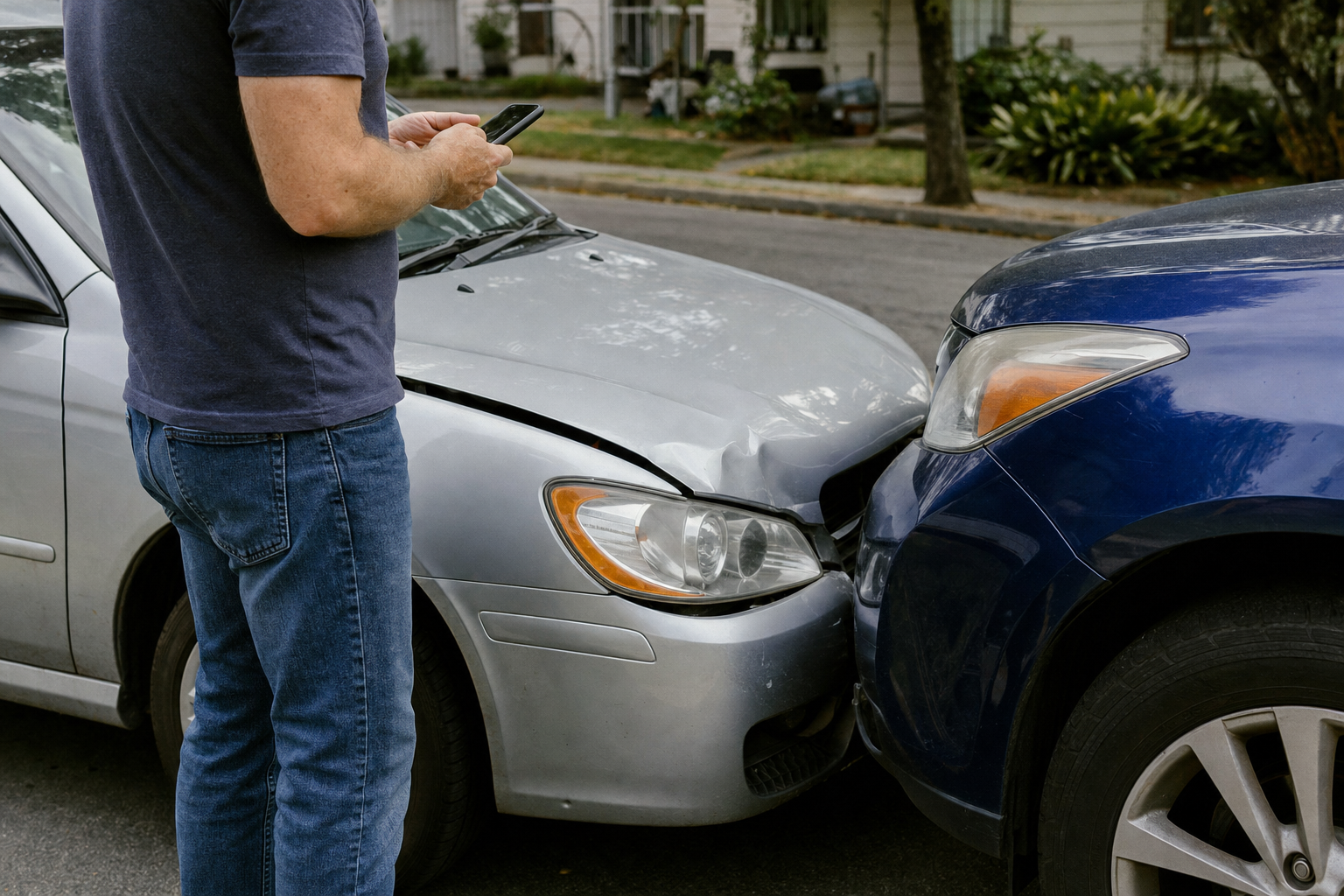
When another driver causes an accident, their liability insurance is supposed to cover your medical bills, lost wages, and other losses.
But not every driver carries insurance, and some carry only the minimum required by law.
Uninsured motorist coverage and underinsured motorist coverage fill that gap.
They protect you and your passengers when the at-fault driver has no insurance or not enough insurance to cover your compensable losses, subject to your policy terms and state law.
These coverages are separate from your own liability insurance.
Understanding how uninsured motorist coverage works helps you decide whether to add it to your policy and how much protection you need.
Uninsured coverage responds when the at-fault driver has no insurance; underinsured coverage responds when their limits are too low.
Both protect you from out-of-pocket losses caused by drivers who cannot fully compensate you, but definitions, application, and benefits vary by state and policy.
What uninsured motorist coverage means
Uninsured motorist coverage generally pays for covered losses when an at-fault driver has no liability insurance at all.
This situation arises when the other driver never purchased insurance, let their policy lapse, or is driving illegally without coverage.
The coverage typically addresses bodily-injury losses, subject to your policy limits, policy terms, and applicable state law.
Exactly which expenses and damages are covered—and the legal conditions that apply—depend on your policy and your state’s insurance code.
Your own insurance company pays the claim under your uninsured motorist coverage, up to the limits you selected when you bought the policy and subject to any applicable deductibles and offsets.
How underinsured motorist coverage works
Underinsured motorist coverage generally applies when the at-fault driver does have liability insurance, but the available limits are not enough to cover your compensable losses.
For example, if the other driver carries only the state-required minimum and your losses exceed that amount, underinsured motorist coverage may pay the difference, up to your own policy limits.
The coverage does not automatically pay the entire shortfall.
Payment is limited by your underinsured motorist limits, policy terms, offsets for amounts already paid by the at-fault driver, and state law.
Some states and insurers offer underinsured motorist coverage separately from uninsured motorist coverage, while others combine them into a single coverage.
Check your policy declarations page and your state insurance department to confirm how the coverages are structured in your jurisdiction.
What these coverages typically pay for
Uninsured motorist coverage and underinsured motorist coverage most commonly address bodily-injury losses.
Covered expenses and damages vary by policy and state law.
To receive payment, you generally must be legally entitled to recover damages under applicable law.
How your insurer evaluates the claim—including the standards applied and any procedural requirements—depends on your policy terms and the law of your state.
When UM/UIM coverage applies
Uninsured motorist coverage may apply to qualifying hit-and-run accidents when the at-fault driver leaves the scene and cannot be identified.
However, your policy and state law may impose identification, notice, reporting, or evidentiary requirements.
Specific deadlines and evidence standards vary by state and policy.
Whether your coverage extends to pedestrian accidents or accidents involving uninsured drivers in other states depends on your policy language and the law of the relevant jurisdiction.
Some policies require you to exhaust the at-fault driver’s liability limits before your own underinsured coverage pays, but this rule varies by state and policy.
Your policy may also contain offset or coordination provisions that affect how much you receive.
Consult your policy and your state insurance department for current rules applicable to your situation.
Property damage and vehicle repair
Standard uninsured motorist bodily-injury coverage generally does not pay for damage to your vehicle.
If the at-fault driver has no insurance and your car is damaged, you may need to rely on your own collision coverage or uninsured motorist property damage coverage, if available in your state and included in your policy.
Collision coverage is designed to cover damage to your vehicle, subject to your deductible and policy terms.
Some states offer uninsured motorist property damage coverage as a separate option.
Deductibles and coverage conditions for uninsured motorist property damage vary by state and policy.
Check your policy and consult your insurer to confirm what property-damage coverages are available to you.
State requirements and policy variations
Coverage requirements, limits, property-damage availability, deductibles, and policy conditions vary by state.
Some states require insurers to include uninsured motorist coverage in every auto policy unless the policyholder rejects it in writing.
Other states require both uninsured and underinsured motorist coverage, and some make these coverages entirely optional.
The minimum required limits, if any, also differ among states.
Your state may require uninsured motorist limits equal to your liability limits, or it may set a different minimum.
Stacking rules, which determine whether you can combine limits from multiple vehicles or policies, also vary by state and policy.
Confirm stacking availability and conditions with your insurer and your state insurance department.
Choosing the right coverage for your situation
Deciding whether to add uninsured motorist coverage and how much to carry depends on several factors.
Consider your own health insurance, savings, and ability to cover expenses if an uninsured driver injures you.
If you have limited savings or high-deductible health insurance, uninsured motorist coverage may provide important protection.
Also consider the minimum liability limits required in your state and whether you frequently drive in areas with higher accident rates.
Financing agreements vary; some lenders may require uninsured motorist coverage, while others do not.
Review your financing contract to confirm your lender’s requirements.
| Factor | Consideration |
|---|---|
| Health coverage | High deductibles or gaps may increase your need for UM/UIM |
| Savings | Limited savings make uninsured motorist coverage more valuable |
| State minimums | Low required liability limits increase underinsured risk |
| Driving patterns | Frequent highway or urban driving may raise exposure |
Review your policy limits, declarations page, and any uninsured motorist endorsement to understand what your current policy covers.
If you have questions about your coverage, contact your insurer or agent.
Uninsured motorist coverage and underinsured motorist coverage protect you when the at-fault driver cannot fully compensate you for covered losses.
They apply in different situations, and the details depend on your policy and state law.
Choosing the right coverage means balancing your own financial resources, health coverage, and risk tolerance with the protection these coverages provide.
* Coverage requirements and policy terms vary by state and insurer. Confirm current rules and available options with your state insurance department and your insurer.